Radiology
Radiology lies at the heart of modern medicine, combining technology and clinical expertise to detect, diagnose, and monitor disease with precision. Our team is dedicated to providing accurate imaging, timely reports, and compassionate patient care — supporting better outcomes through innovation and excellence in diagnostic imaging.

X-Ray Protective Apparel
Radioprotective aprons are specialized personal protective garments designed to shield healthcare staff and patients from unnecessary exposure to ionizing radiation during X‑ray procedures. Typically made of lead or advanced lead‑free composites with defined “lead equivalent” thickness, they attenuate scatter radiation and help protect radiosensitive organs such as the chest, abdomen, and reproductive organs. By reducing cumulative radiation dose, radioprotective aprons support safer working conditions in radiology, fluoroscopy, cardiology, surgery, and dental imaging environments.
X-Ray Protective Apparel
Radioprotective aprons are specialized personal protective garments designed to shield healthcare staff and patients from unnecessary exposure to ionizing radiation during X‑ray procedures. Typically made of lead or advanced lead‑free composites with defined “lead equivalent” thickness, they attenuate scatter radiation and help protect radiosensitive organs such as the chest, abdomen, and reproductive organs. By reducing cumulative radiation dose, radioprotective aprons support safer working conditions in radiology, fluoroscopy, cardiology, surgery, and dental imaging environments.
X-Ray Dosimetry
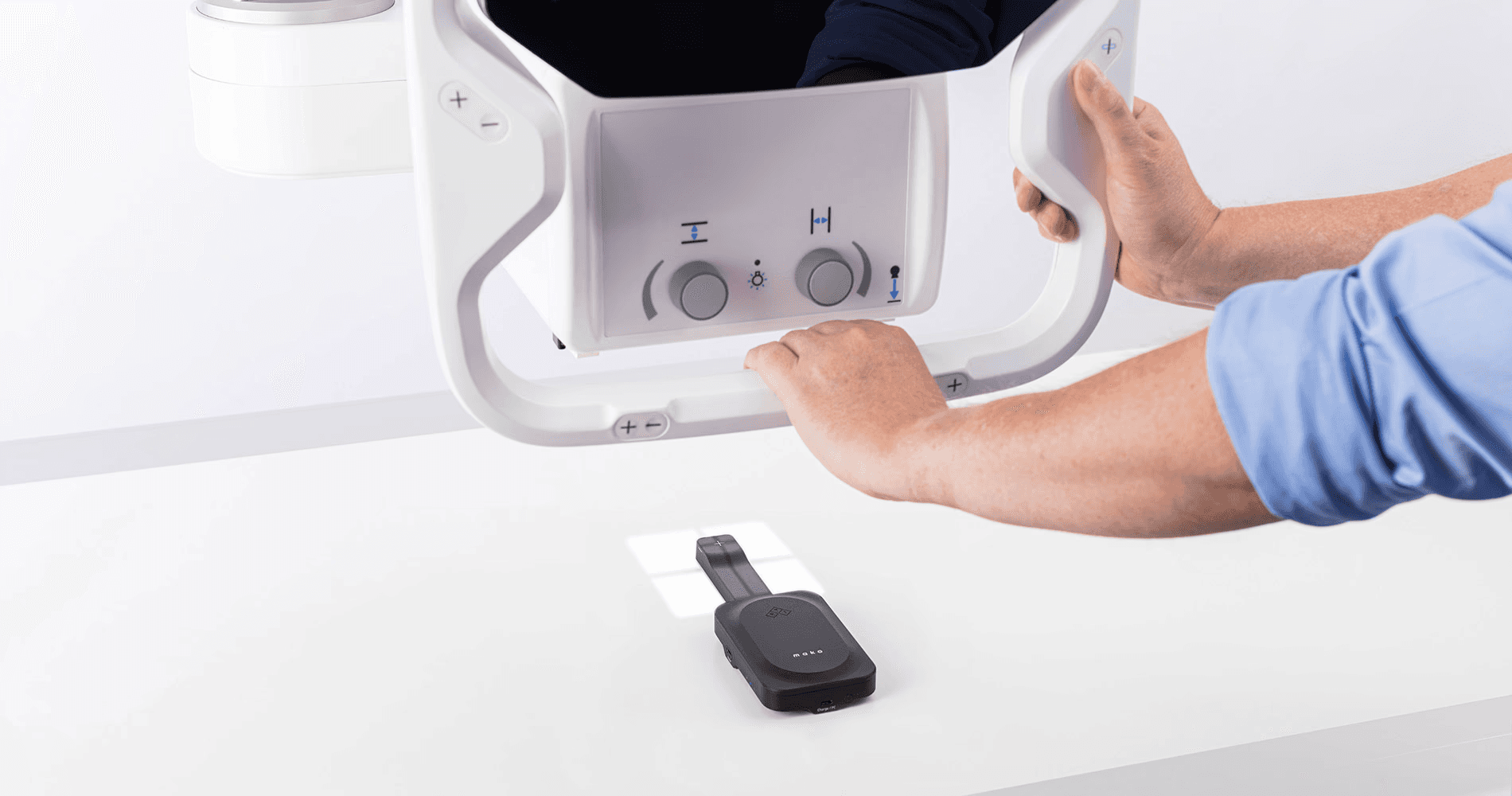
RTI X-Ray Multimeters deliver precise, real-time measurements of kV, mA, time, dose, and filtration for diagnostic X-ray systems, ensuring compliance and safety. Paired with versatile accessories like detectors, cables, and phantoms, they simplify workflows, reduce testing time, and support all modalities from mobile units to CT scanners.
X-Ray Dosimetry
RTI X-Ray Multimeters deliver precise, real-time measurements of kV, mA, time, dose, and filtration for diagnostic X-ray systems, ensuring compliance and safety. Paired with versatile accessories like detectors, cables, and phantoms, they simplify workflows, reduce testing time, and support all modalities from mobile units to CT scanners.
Diagnostic Imaging QA
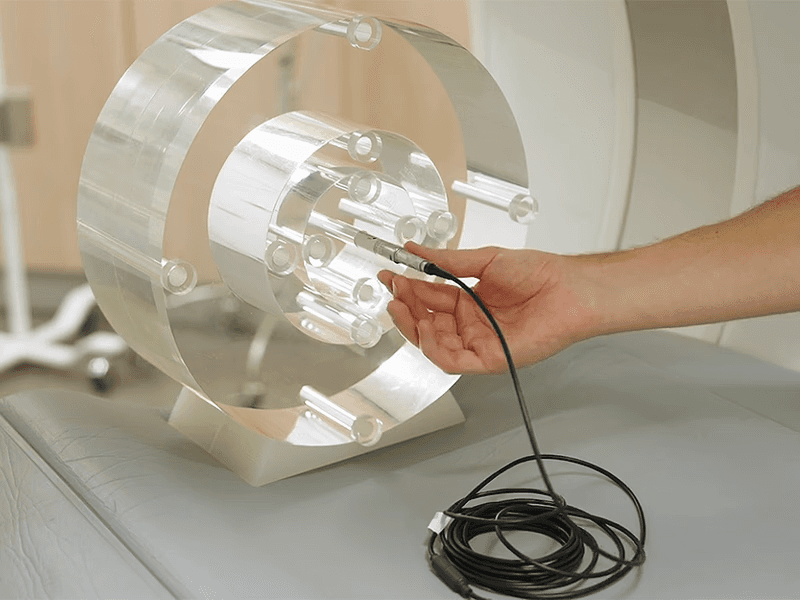
Diagnostic QA phantoms provide precise, reproducible testing for X-ray, CT, mammography, and fluoroscopy systems, ensuring optimal image quality and radiation safety. These robust, versatile phantoms simplify compliance with standards like IEC and ACR, while minimizing setup time and operator variability.
Diagnostic Imaging QA
Diagnostic QA phantoms provide precise, reproducible testing for X-ray, CT, mammography, and fluoroscopy systems, ensuring optimal image quality and radiation safety. These robust, versatile phantoms simplify compliance with standards like IEC and ACR, while minimizing setup time and operator variability.

Nuclear Medicine QA
Phantoms in this section support QA procedures in nuclear medicine, including planar imaging, SPECT, and PET. They are designed to evaluate performance parameters such as uniformity, spatial resolution, sensitivity, and quantification accuracy.
Nuclear Medicine QA
Phantoms in this section support QA procedures in nuclear medicine, including planar imaging, SPECT, and PET. They are designed to evaluate performance parameters such as uniformity, spatial resolution, sensitivity, and quantification accuracy.
Popular
Radiology
Pro-MAM Contact
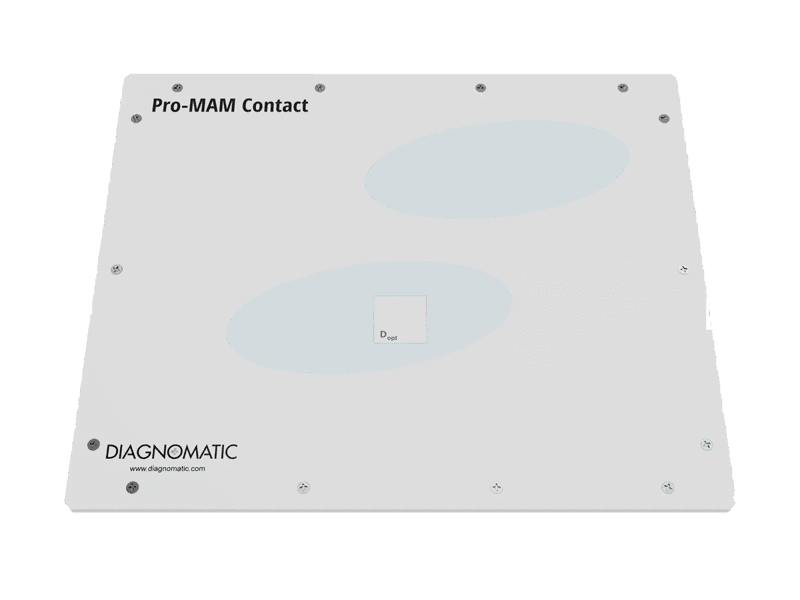
Test grid for testing mammography-cassette film-screen contact.

Pro-MAM AEC PMMA
Set of acrylic plates for testing Automated Exposure Control of mammography systems.
Pro-MAM Performance
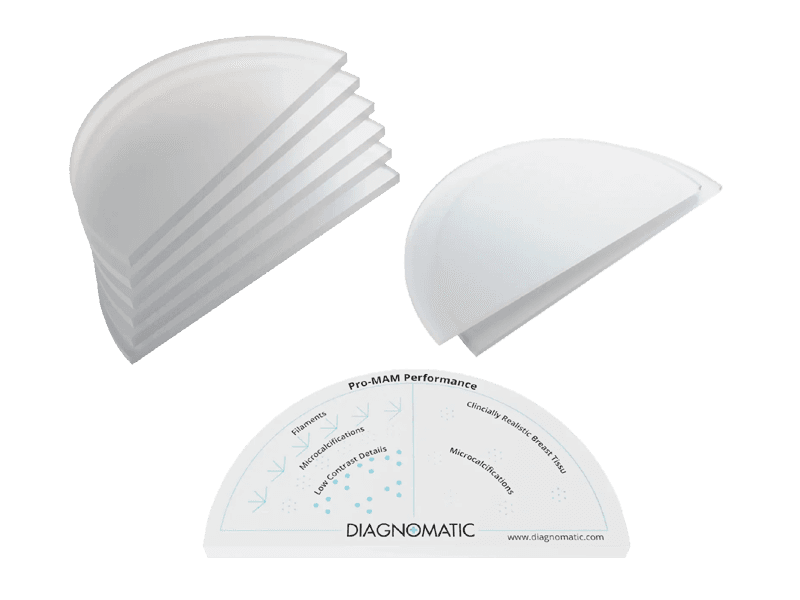
The phantom designed to be used for routine quick and ongoing checks of imaging performance of mammography systems. It allows evaluating particularly those aspects which are most liable to deterioration.
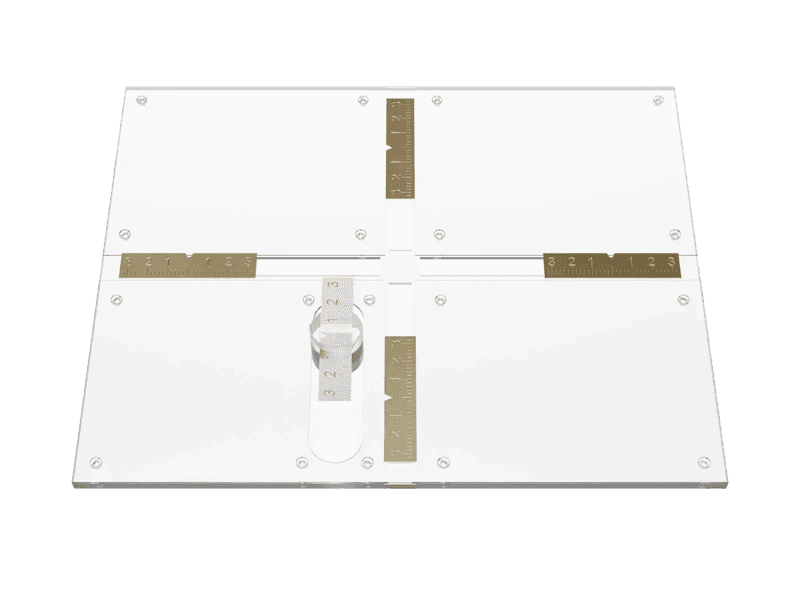
Pro-MAM Geometry
This test device was developed to provide the user with a convenient, quick and accurate way of testing collimation of mammography units. It is very simple to use. Instead of using all those hard-to-find coins, you only use our test tool.
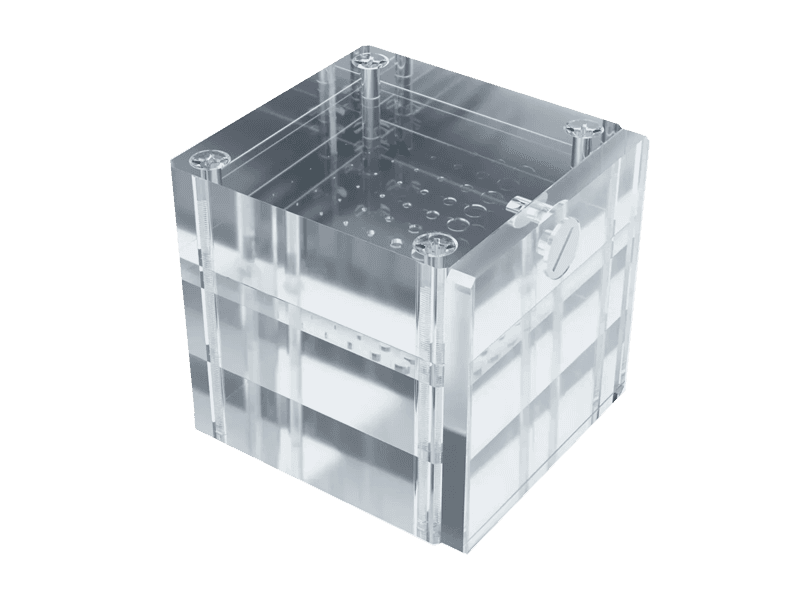
Pro-MAM Contrast
The phantom for performance testing of mammography X-ray units. It has 49 holes that generate subtle changes in contrast. It can be used to detect small variations in system’s performance.
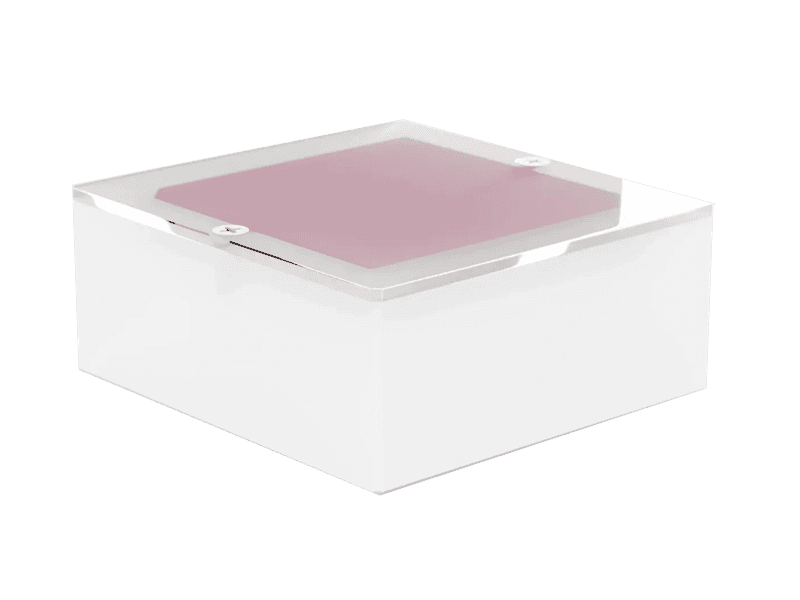
Pro-MAM Accreditation
The phantom can test the performance of a mammographic system and its ability to image small structures similar to those found clinically: calcifications, fibrous calcifications in ducts and tumor masses.
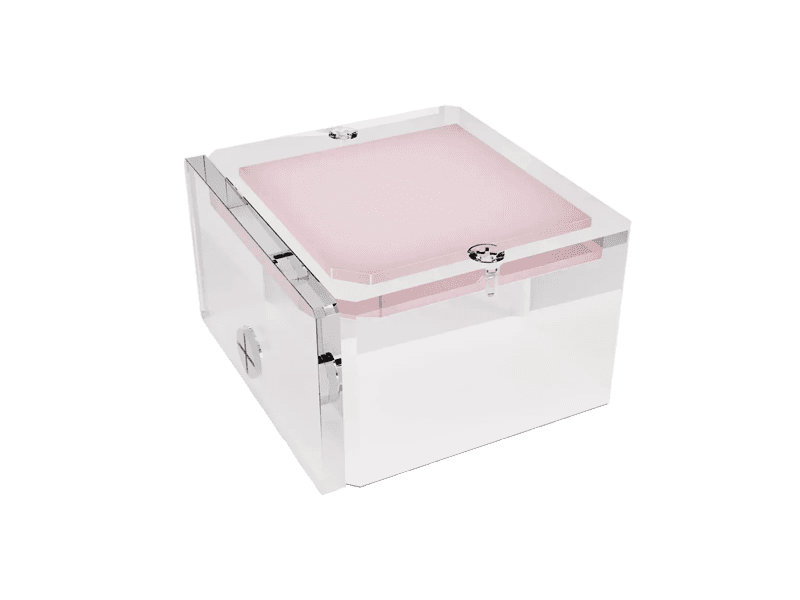
Pro-MAM Biopsy
This phantom was designed to provide a fast and easy way to test image quality on digital biopsy mammography units and qualify for ACR accreditation. The phantom contains test objects that are similar to those found in the Mammographic Accreditation Phantom specified by the American College of Radiology (ACR). The extended top edge of the phantom allows ease of positioning on recumbent biopsy units. The phantom’s small size allows the phantom to be imaged in its entirety in a single exposure when used with a digital biopsy unit. Enables you to determine if the images are similar to, or better than screen-film. Can be used in both an upright and prone machine.
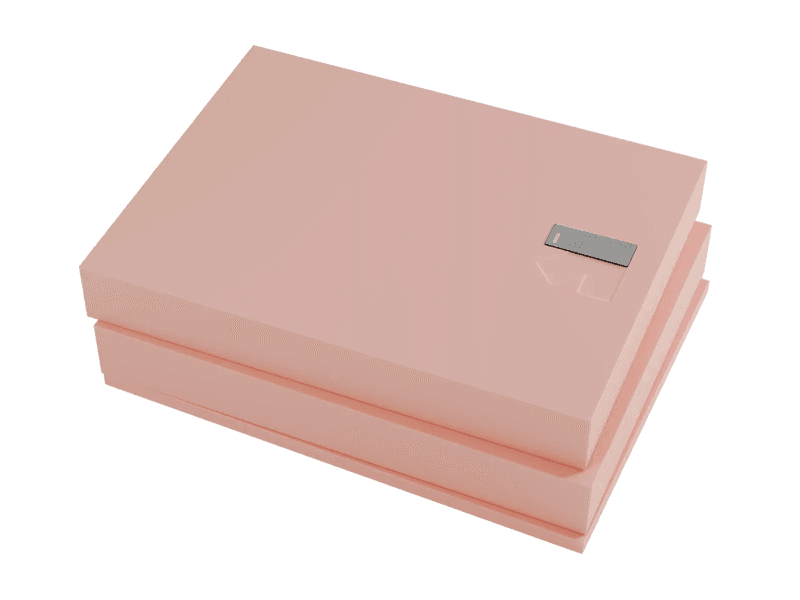
Pro-MAM HCRP
The Pro-MAM HCRP includes a bar pattern to evaluate the resolution in the range of 5.0 - 20.0 LP / mm (13 groups). It has been embedded in a polycarbonate sheath to protect it from wear or damage. The bar pattern (Model: Pro-Res MAM BarType1) can be set to 0, 90 and 45 degrees to enable the resolution assessment also for digital devices. The phantom is made of materials with absorbent properties corresponding to the breasts consisting of glandular tissue and adipose tissue in the proportions 50% / 50% and has a cavity for a bar pattern for resolution assessment. This design ensures repeatable and fast positioning of the test object 4.5 cm above the surface of the stage and 1 cm from the chest wall, centrally in relation to the side edges of the detector (as recommended by the American College of Radiology).
Pro-MAM Contact
Test grid for testing mammography-cassette film-screen contact.
Pro-MAM AEC PMMA
Set of acrylic plates for testing Automated Exposure Control of mammography systems.
Pro-MAM Performance
The phantom designed to be used for routine quick and ongoing checks of imaging performance of mammography systems. It allows evaluating particularly those aspects which are most liable to deterioration.
Pro-MAM Geometry
This test device was developed to provide the user with a convenient, quick and accurate way of testing collimation of mammography units. It is very simple to use. Instead of using all those hard-to-find coins, you only use our test tool.
Pro-MAM Contrast
The phantom for performance testing of mammography X-ray units. It has 49 holes that generate subtle changes in contrast. It can be used to detect small variations in system’s performance.
Pro-MAM Accreditation
The phantom can test the performance of a mammographic system and its ability to image small structures similar to those found clinically: calcifications, fibrous calcifications in ducts and tumor masses.
Pro-MAM Biopsy
This phantom was designed to provide a fast and easy way to test image quality on digital biopsy mammography units and qualify for ACR accreditation. The phantom contains test objects that are similar to those found in the Mammographic Accreditation Phantom specified by the American College of Radiology (ACR). The extended top edge of the phantom allows ease of positioning on recumbent biopsy units. The phantom’s small size allows the phantom to be imaged in its entirety in a single exposure when used with a digital biopsy unit. Enables you to determine if the images are similar to, or better than screen-film. Can be used in both an upright and prone machine.
Pro-MAM HCRP
The Pro-MAM HCRP includes a bar pattern to evaluate the resolution in the range of 5.0 - 20.0 LP / mm (13 groups). It has been embedded in a polycarbonate sheath to protect it from wear or damage. The bar pattern (Model: Pro-Res MAM BarType1) can be set to 0, 90 and 45 degrees to enable the resolution assessment also for digital devices. The phantom is made of materials with absorbent properties corresponding to the breasts consisting of glandular tissue and adipose tissue in the proportions 50% / 50% and has a cavity for a bar pattern for resolution assessment. This design ensures repeatable and fast positioning of the test object 4.5 cm above the surface of the stage and 1 cm from the chest wall, centrally in relation to the side edges of the detector (as recommended by the American College of Radiology).
Frequently asked questions
Let's Talk
Have a question, need a quote, or want to book a demo? We’re here to help.
info@meditron.ch
+41 22 995 01 91
Place de l'Industrie 2, 1180 Rolle Schönenhofstrasse 19, 8500 Frauenfeld
Radiology
Radiology lies at the heart of modern medicine, combining technology and clinical expertise to detect, diagnose, and monitor disease with precision. Our team is dedicated to providing accurate imaging, timely reports, and compassionate patient care — supporting better outcomes through innovation and excellence in diagnostic imaging.
X-Ray Protective Apparel
Radioprotective aprons are specialized personal protective garments designed to shield healthcare staff and patients from unnecessary exposure to ionizing radiation during X‑ray procedures. Typically made of lead or advanced lead‑free composites with defined “lead equivalent” thickness, they attenuate scatter radiation and help protect radiosensitive organs such as the chest, abdomen, and reproductive organs. By reducing cumulative radiation dose, radioprotective aprons support safer working conditions in radiology, fluoroscopy, cardiology, surgery, and dental imaging environments.
X-Ray Dosimetry
RTI X-Ray Multimeters deliver precise, real-time measurements of kV, mA, time, dose, and filtration for diagnostic X-ray systems, ensuring compliance and safety. Paired with versatile accessories like detectors, cables, and phantoms, they simplify workflows, reduce testing time, and support all modalities from mobile units to CT scanners.
Diagnostic Imaging QA
Diagnostic QA phantoms provide precise, reproducible testing for X-ray, CT, mammography, and fluoroscopy systems, ensuring optimal image quality and radiation safety. These robust, versatile phantoms simplify compliance with standards like IEC and ACR, while minimizing setup time and operator variability.
Nuclear Medicine QA
Phantoms in this section support QA procedures in nuclear medicine, including planar imaging, SPECT, and PET. They are designed to evaluate performance parameters such as uniformity, spatial resolution, sensitivity, and quantification accuracy.
Popular
Radiology
Pro-MAM Contact
Test grid for testing mammography-cassette film-screen contact.
Pro-MAM AEC PMMA
Set of acrylic plates for testing Automated Exposure Control of mammography systems.
Pro-MAM Performance
The phantom designed to be used for routine quick and ongoing checks of imaging performance of mammography systems. It allows evaluating particularly those aspects which are most liable to deterioration.
Pro-MAM Geometry
This test device was developed to provide the user with a convenient, quick and accurate way of testing collimation of mammography units. It is very simple to use. Instead of using all those hard-to-find coins, you only use our test tool.
Pro-MAM Contrast
The phantom for performance testing of mammography X-ray units. It has 49 holes that generate subtle changes in contrast. It can be used to detect small variations in system’s performance.
Pro-MAM Accreditation
The phantom can test the performance of a mammographic system and its ability to image small structures similar to those found clinically: calcifications, fibrous calcifications in ducts and tumor masses.
Pro-MAM Biopsy
This phantom was designed to provide a fast and easy way to test image quality on digital biopsy mammography units and qualify for ACR accreditation. The phantom contains test objects that are similar to those found in the Mammographic Accreditation Phantom specified by the American College of Radiology (ACR). The extended top edge of the phantom allows ease of positioning on recumbent biopsy units. The phantom’s small size allows the phantom to be imaged in its entirety in a single exposure when used with a digital biopsy unit. Enables you to determine if the images are similar to, or better than screen-film. Can be used in both an upright and prone machine.
Pro-MAM HCRP
The Pro-MAM HCRP includes a bar pattern to evaluate the resolution in the range of 5.0 - 20.0 LP / mm (13 groups). It has been embedded in a polycarbonate sheath to protect it from wear or damage. The bar pattern (Model: Pro-Res MAM BarType1) can be set to 0, 90 and 45 degrees to enable the resolution assessment also for digital devices. The phantom is made of materials with absorbent properties corresponding to the breasts consisting of glandular tissue and adipose tissue in the proportions 50% / 50% and has a cavity for a bar pattern for resolution assessment. This design ensures repeatable and fast positioning of the test object 4.5 cm above the surface of the stage and 1 cm from the chest wall, centrally in relation to the side edges of the detector (as recommended by the American College of Radiology).
Frequently asked questions
Let's Talk
Have a question, need a quote, or want to book a demo? We’re here to help.
info@meditron.ch
+41 22 995 01 91
Place de l'Industrie 2, 1180 Rolle Schönenhofstrasse 19, 8500 Frauenfeld